-
WhatsApp / Mob : +86 156 5177 2521
-
o email : mrwin@cnbangwin.com
WhatsApp / Mob : +86 156 5177 2521
o email : mrwin@cnbangwin.com

VPSA vs Cryogenic Air Separation: Which Oxygen Production Method Is Better
Apr 14 , 2026Facilities need large quantities of oxygen and nitrogen. Selecting an appropriate production technology is extremely important. Companies analyze VPSA vs cryogenic air separation processes before investing.
Both technologies have been deployed frequently over time. Each has its advantages and disadvantages in terms of efficiency, cost, and capacity. Learn about how each technology differs so you can maximize efficiency long-term.
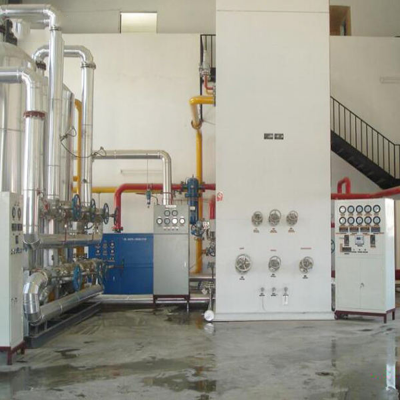
VPSA refers to Vacuum Pressure Swing Adsorption technology. It uses molecular sieve adsorption technology to separate oxygen out of the air.
Related article: Check out our VPSA Oxygen Plant page for more information on VPSA systems.
Brief summary:
✅ Produces oxygen with 90%–95% purity
✅ Suitable for medium to large capacity
✅ Low energy consumption
✅ Continuous process
As VPSA systems function at low pressure, there is significantly less power consumption.
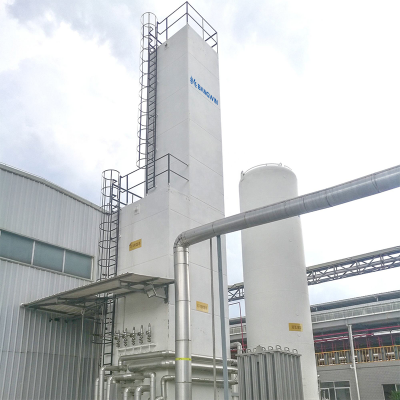
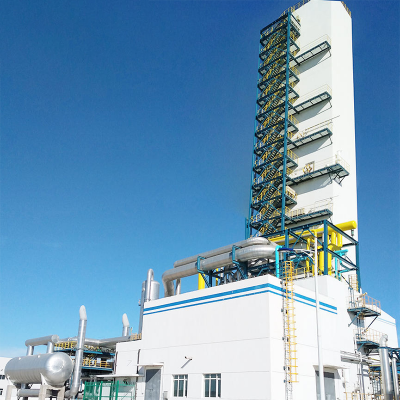
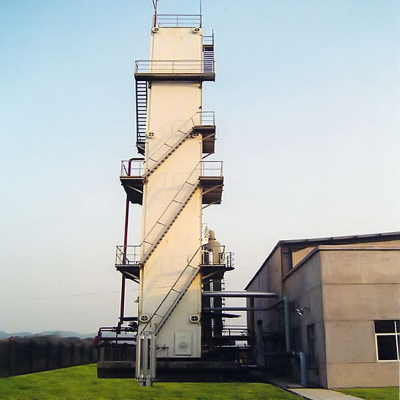
It separates the components of air using low temperature. Cryogenic distillation cools air until it liquefies. The various components then separate by boiling point.
Learn more on Cryogenic Air Separation Plant
Advantages:
l Ability to produce oxygen with up to 99.9% purity
l Enormous capacity
l Supply of both liquid and gaseous oxygen
l Large Capital Investment
Since Cryogenic systems require such a large investment, they are best used for large scale industrial projects.
|
Feature |
VPSA |
Cryogenic Air Separation |
|
Technology |
Adsorption |
Low-temperature distillation |
|
Capacity |
Medium–Large |
Very Large |
|
Purity |
90–95% |
Up to 99.9% |
|
Energy Use |
Lower (medium scale) |
Efficient at large scale |
|
Investment |
Medium |
Very High |
|
Output |
Gas only |
Liquid + Gas |
As a result, each system suits different industrial needs.
Cost of energy is an important factor considered while buying PSA
VPSA consists blowers and vacuum pumps whereas Cryogenic systems has compressors and refrigeration plant.
Hence VPSA has lower energy consumption for medium scale plants. But at very large capacities Cryogenic plants offer better efficiency.
VPSA
l Less Capital Cost
l Less Operating Cost at Medium capacity
Cryogenic
l High Capital Cost
l Cost effective at Large scale productions
Checkout our Oxygen plant cost page
Impurity tolerance is a key factor for selection of system.
VPSA : 90~95% oxygen purity
Cryogenic : up to 99.9%
Capacity :
l VPSA : Up to ten thousand Nm³/h capacity
l Cryogenic : Applicable for huge industrial consumption
Conclusion: If high purity application (>95%) is required, cryogenic system is favored.
VPSA Application
l Steel production and metallurgy industries
l Glass industry
l Activated sludge wastewater treatment
l Chemical industry
Related System:Industrial VPSA Oxygen Plant
Cryogenic Application
l Petrochemical
l Iron and steel industry with huge consumption
l Supplier of industrial gas companies
l Production of liquid oxygen
Related System:Liquid Oxygen Plant
Factors that determine cryogenic vs VPSA selection include.
Scale of Oxygen Demand
Cryogenic air separation systems are better for higher capacities.
Degree of Purity Required
If high purity is needed then cryogenic solutions are required.
Capital Budget Constraints
The smaller budget favors adsorption technology solutions.
Electricity Price
If electricity cost is high then medium-scale VPSA technology is favorable.
Consult with seasoned suppliers for proper evaluation.
Professional Gas Generator Supplier in Nanjing Bangwin Gas.
Products
l VPSA oxygen generator
l Cryogenic air separation unit
l PSA nitrogen generator
l Industrial oxygen generator
l Liquid gas generator
Visit Details Here:https://bangwingas.com/products-oxygen-generator/
Highlights
l Tailor-made engineering design
l Reasonable price
l Supply complete turnkey project
l After-sales service with global support
Consequently allow customers can obtain excellent performance and durable gas units.
Industry references:
· International Gas Union
https://www.igu.org
· Air Liquide
https://www.airliquide.com
· Linde Engineering
https://www.linde-engineering.com
Q1. Which is better VPSA or cryogenic air separation?
Ans. VPSA has advantages in medium capacity and low cost. Cryogenic has the advantages of large capacity and high purity.
Q2. Which system has less energy consumption?
Ans. VPSA is more energy-efficient at medium capacity, while cryogenic technology is more energy-efficient at large capacity.
Q3. Can we produce liquid oxygen by VPSA?
Ans. No. VPSA can provide gaseous oxygen only.
Q4. Which industries are using cryogenic systems?
Ans. The large steel plants, petrochemical industries and gas supplying companies are using cryogenic systems.
Q5. Does Nanjing Bangwin Gas equip both types of systems?
Ans. Yes. We have both types of systems available.
It can be concluded from the VPSA vs cryogenic air separation article that both systems have their own pros and cons in terms of price, capacity and purity. You should choose the most suitable system as per your industrial needs.
Opt for Nanjing Bangwin Gas for professional oxygen production solutions.



 IPv6 rede suportada